
Hi Matt, do you remember the first moment you truly fell in love with bicycles? Was there a particular bike, person or experience that started it all?
I remember the first time I truly experienced the freedom of a bicycle and it was as addicting as it was intoxicating. I was a bored pre-teen visiting my grandmother looking for something to do and while rummaging through the shed behind the house, I found my uncle’s old Raleigh Super Grand Prix. Luckily for me, the tires held air and I was able to take that bike all over town. I just kept going further and further without a plan whatsoever. I never felt such freedom and independence before. It was so liberating and really opened up the world to me in a new way. Accessible freedom.
What was cycling like for you growing up? Was it simply a way to get around, a form of freedom, or something more?
Growing up in suburban Canada most kids travel together in packs using bikes as a means of freedom and exploration. It wasn’t until later in my teenage years that the bike reflected more of my personality through mountain biking and “extreme sports” as it was marketed back then. My locker at school was heavily decorated with the pages of Mountain Bike Action and other magazines of the time.
At some point, your passion for bicycles became something more than just riding. When did you realise you wanted to be part of this world in a deeper way?
My passion for bicycles took on a deeper expression when I first started volunteering and working in bike shops. It was, in my eyes, the coolest place and the coolest job you could ever have with the coolest people. My first break into that world was in a shop called Earl Industries in St.John’s, Newfoundland. Earl was an eccentric shop owner (like most shop owners) that let me hang out with the mechanics. I was probably sixteen and I couldn’t believe my luck. My time there taught me so much and only reinforced how cool I thought mechanics were. I built on those early lessons and was able to work in many shops over the years as I worked through university. I was a bike shop guy for many years but I eventually had to leave it behind to pursue flying.
“Ultimately, I just want to ‘do cool shit’.”
Tell me about the story behind Fluent. Where did the idea come from, and what made you decide to give life to this project?
I always say that Fluent came from a quasi mid-life crisis. I left the bike shop world to pursue flying and through many twists and turns I ended up as a pilot in the Canadian Airforce many years later. Years of training always left you looking forward to attaining the next goal or step in your career. Once those goals ran out and I was a fully qualified aircraft captain flying missions all over the world, I started to wonder what came next. Flying is fine but anything can become mundane after a while. The question for me was “What would I do, if I could do anything at all?”
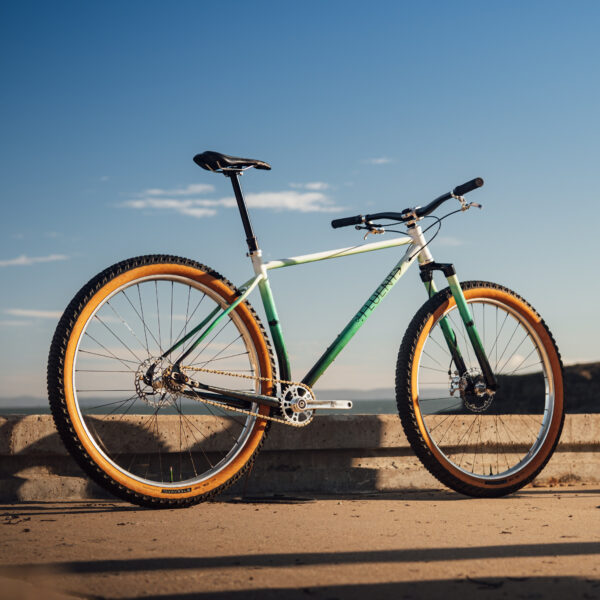
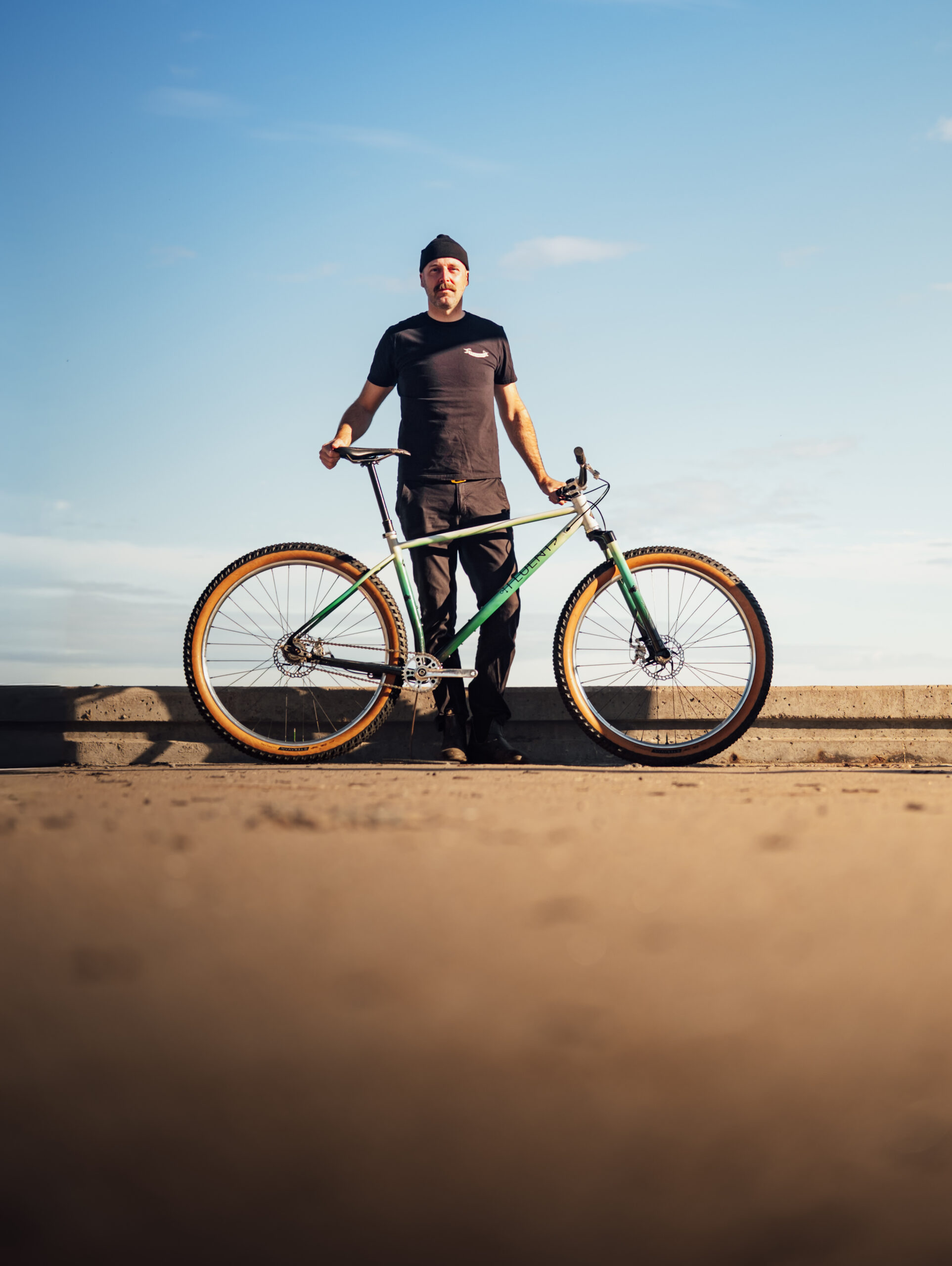
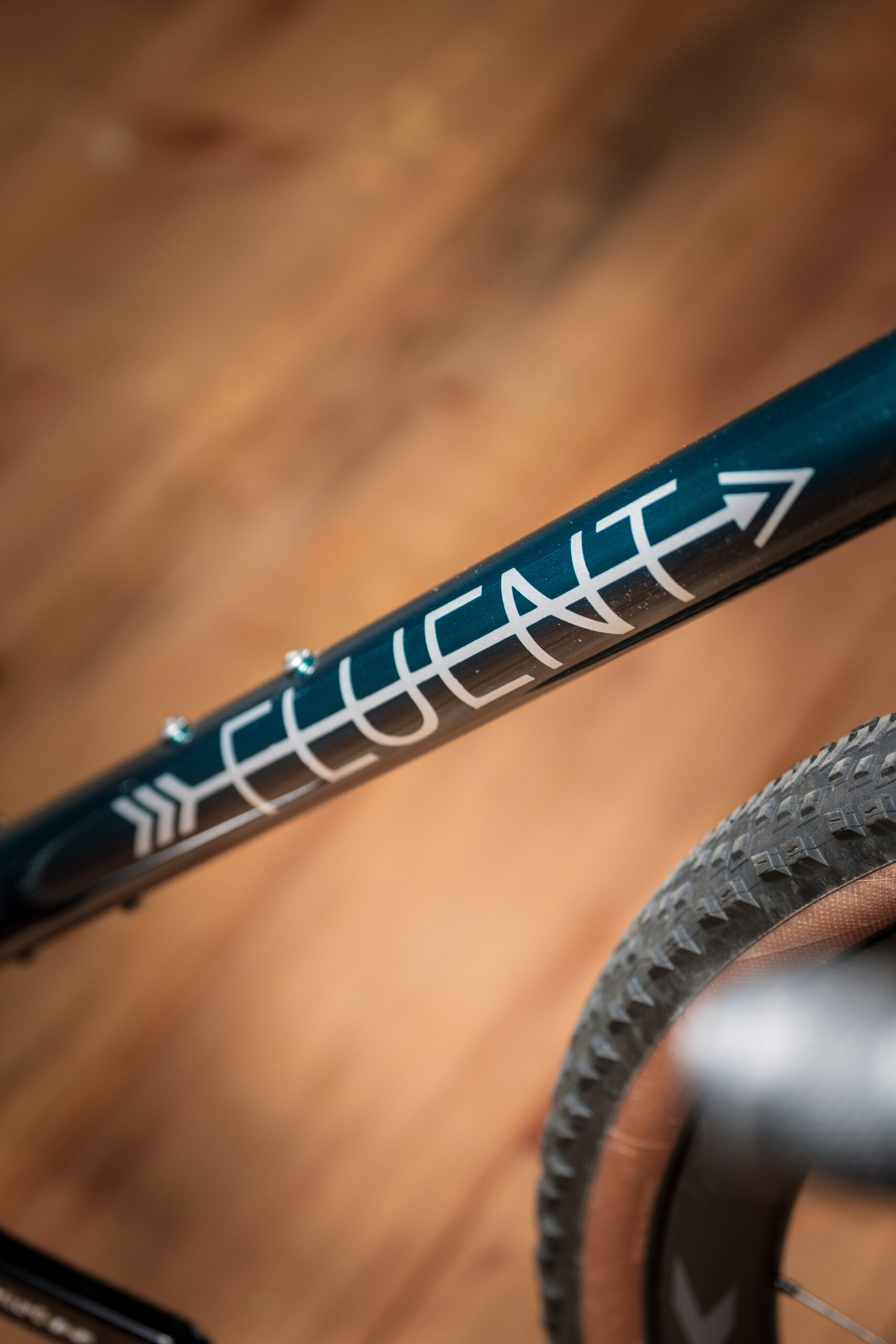
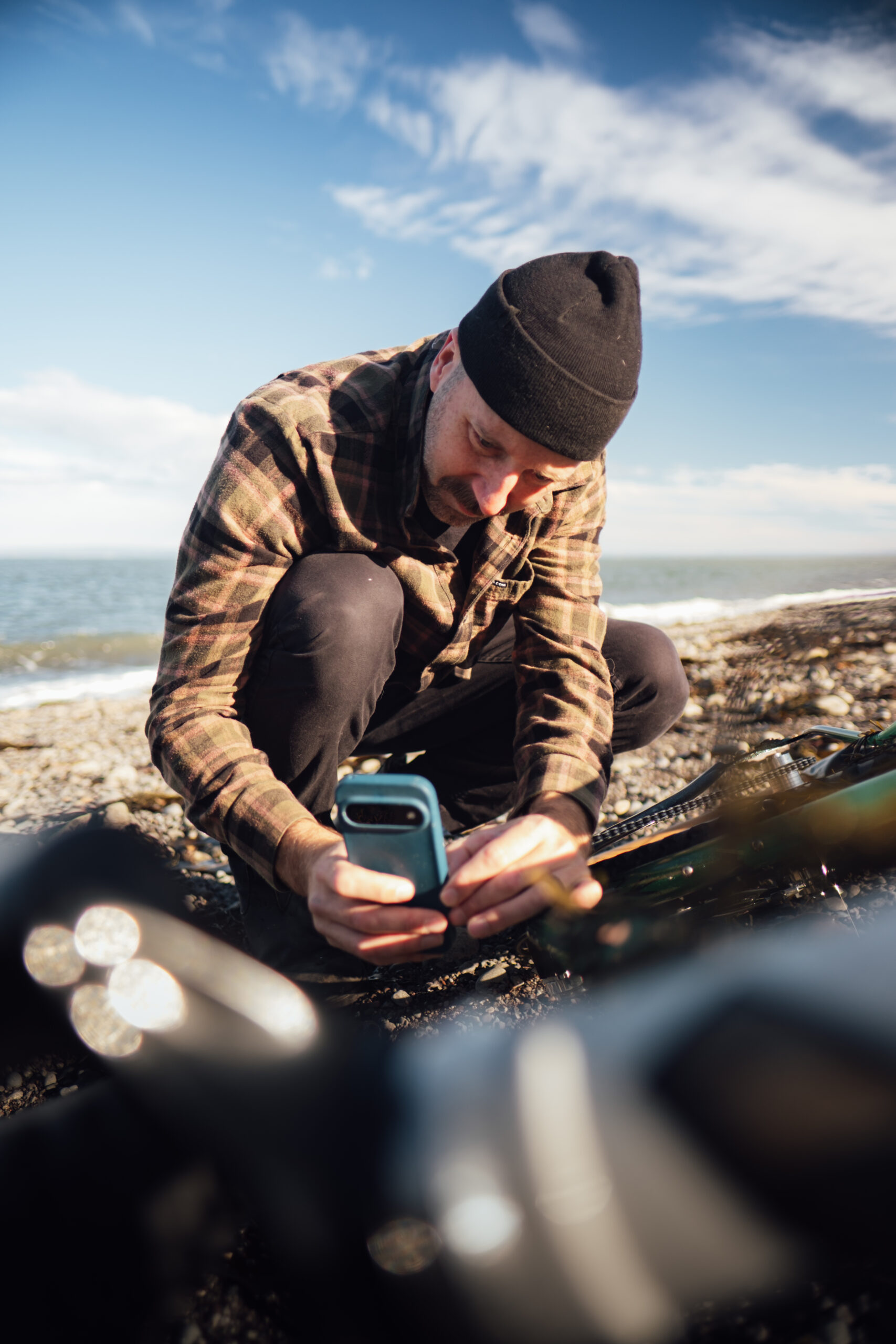
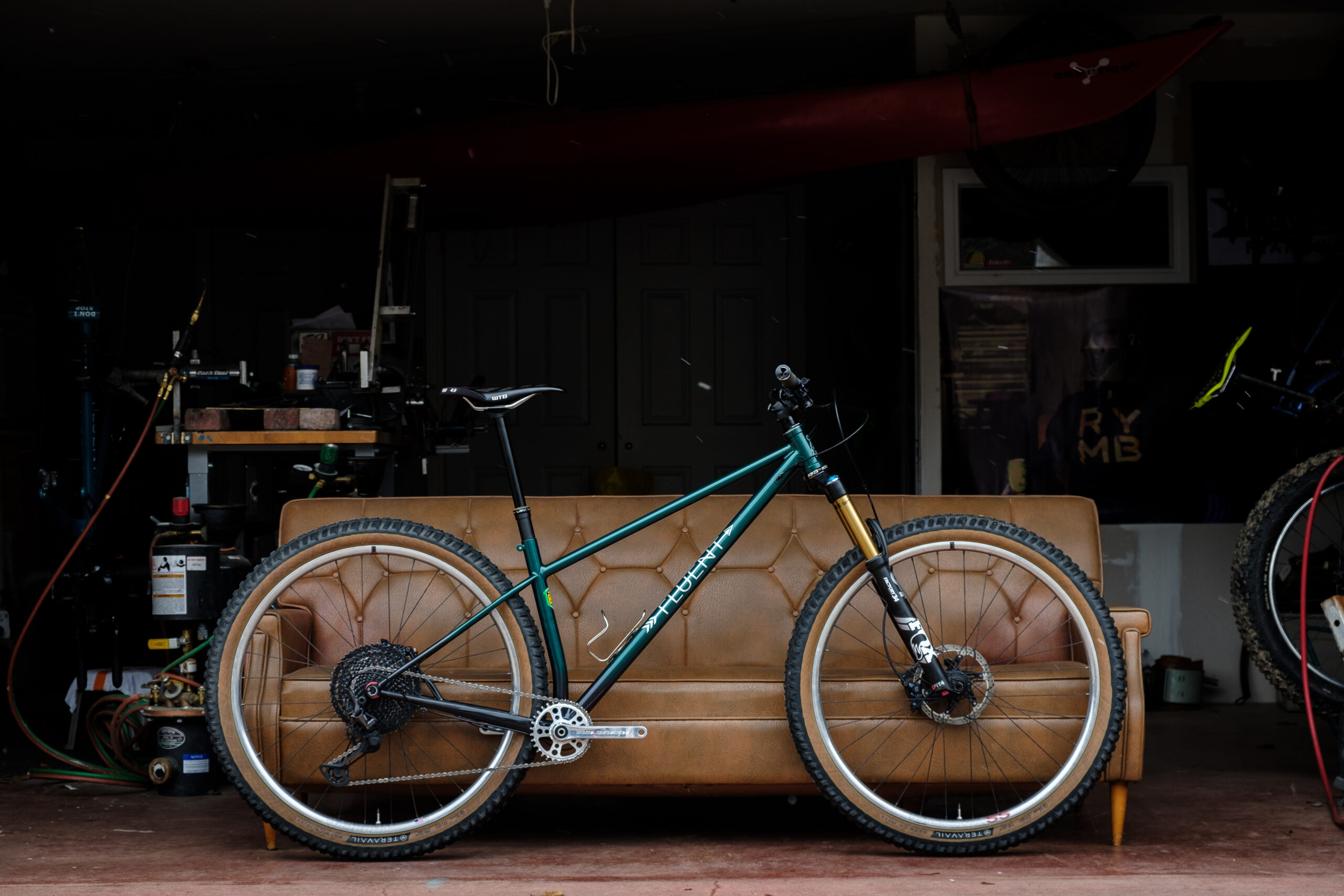
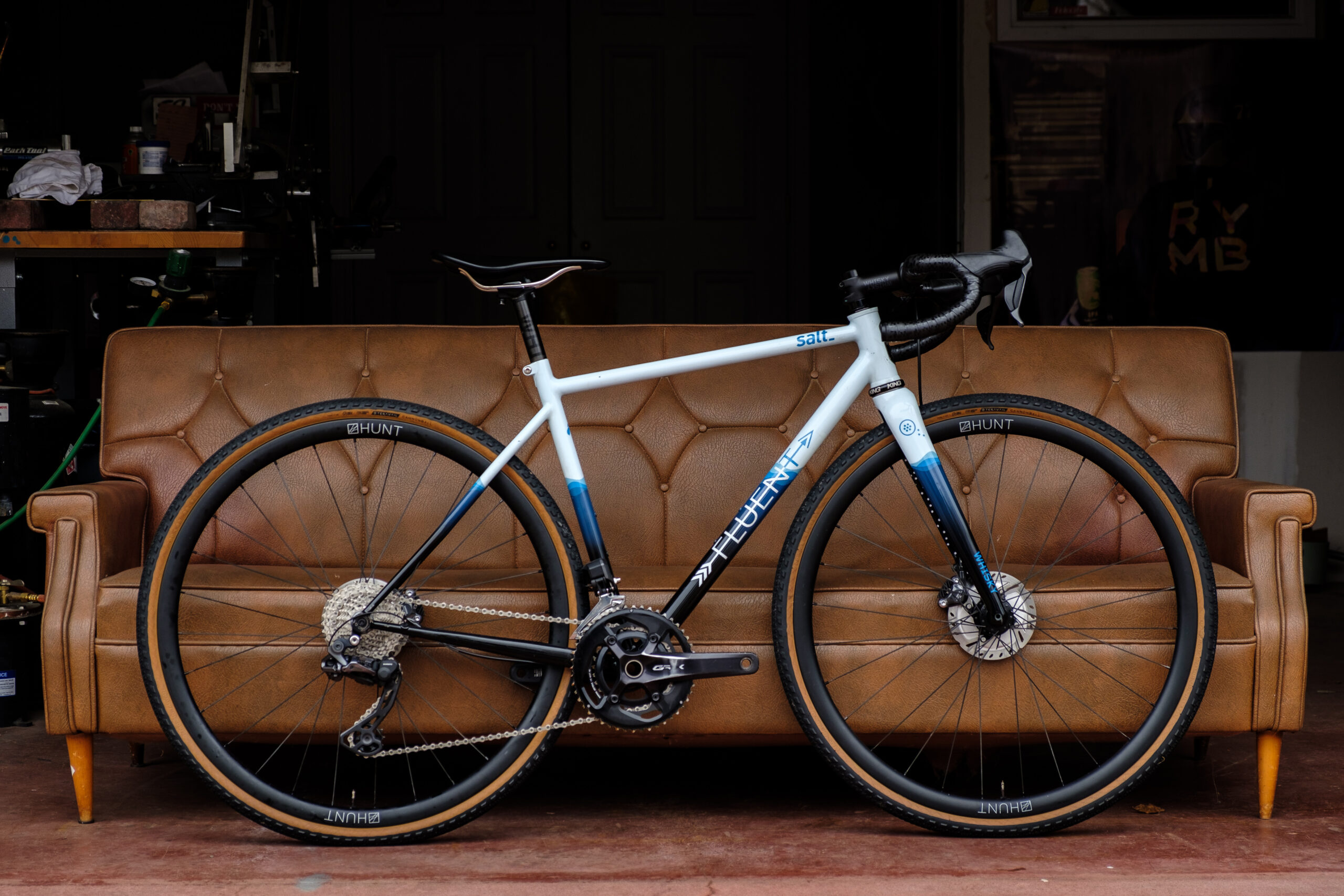
framebuilding was the answer. It offered me a new challenge and a creative outlet that piloting lacks. I gave it a shot and did a 2-week intro course with Paul Brodie (famous Canadian builder). From that course I kept building bikes and buying tools to a point where Fluent really became a thing. The “fluent” name comes from a lifetime spent with bicycles. As bike nerds, we can all speak “bike”. It’s a special language that we all speak, thus “Fluent”. I am Fluent in bike.
Building something of your own is never just about bicycles. What has this journey taught you about yourself, both as a person and as a creator?
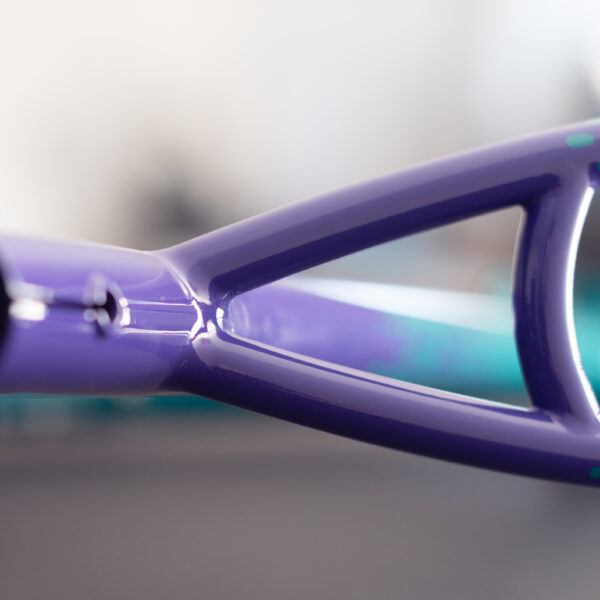
Building frames and bikes as Fluent has taught me a few things. First, that I am completely obsessive about the details when building or painting. “Perfection is the enemy of good enough” is an expression that runs through my head constantly but I still obsess about the smallest things. Most pilots live in a very black or white world. We don’t like grey. It’s either right or wrong and when that mindset gets applied to building frames it becomes death by details. If I see something I don’t like, I don’t paint over it, I stop and fix it. Black or white. Perfect or wrong. Because of this It can take a long time to complete my builds. It may sound smug but it’s not exactly the best quality to have when time matters. I would also add that living black and white doesn’t fit with the real world. There’s lots of grey out there and I need to chill.
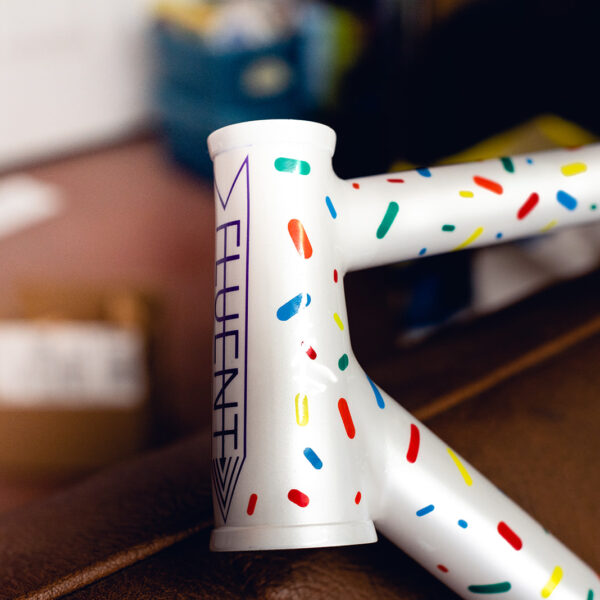
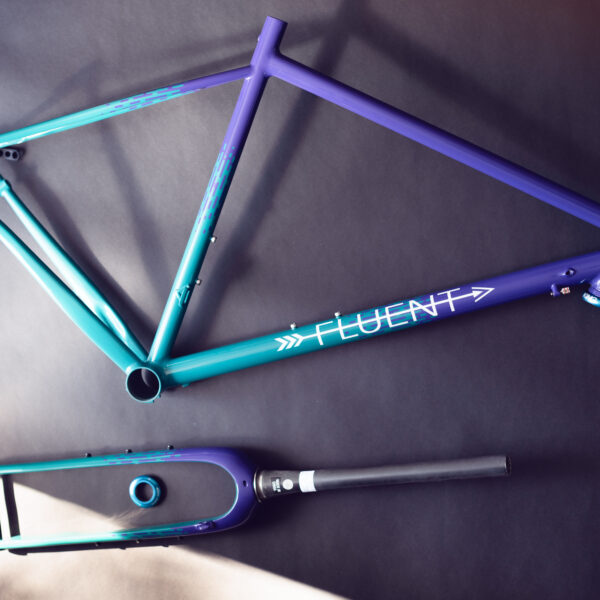
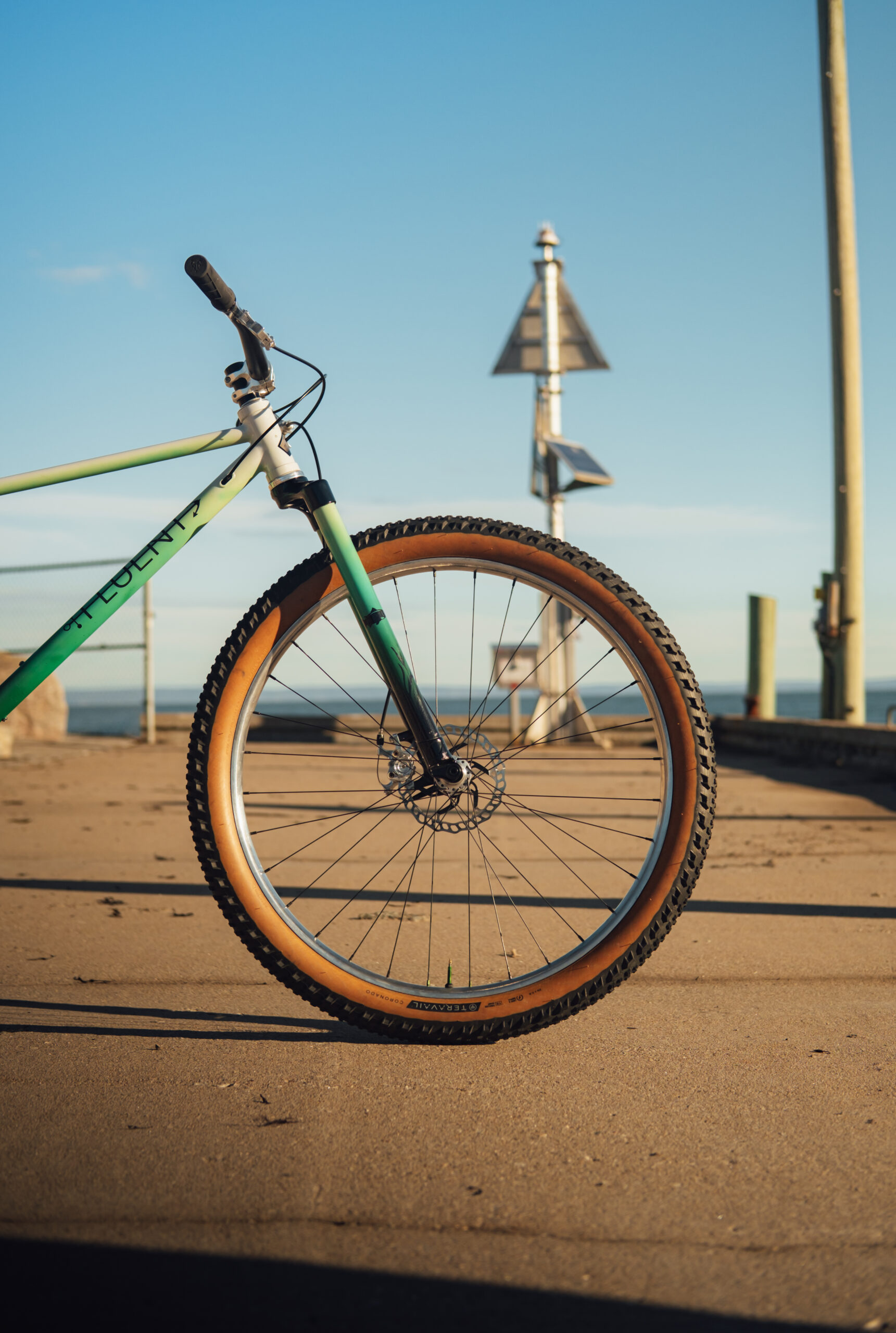
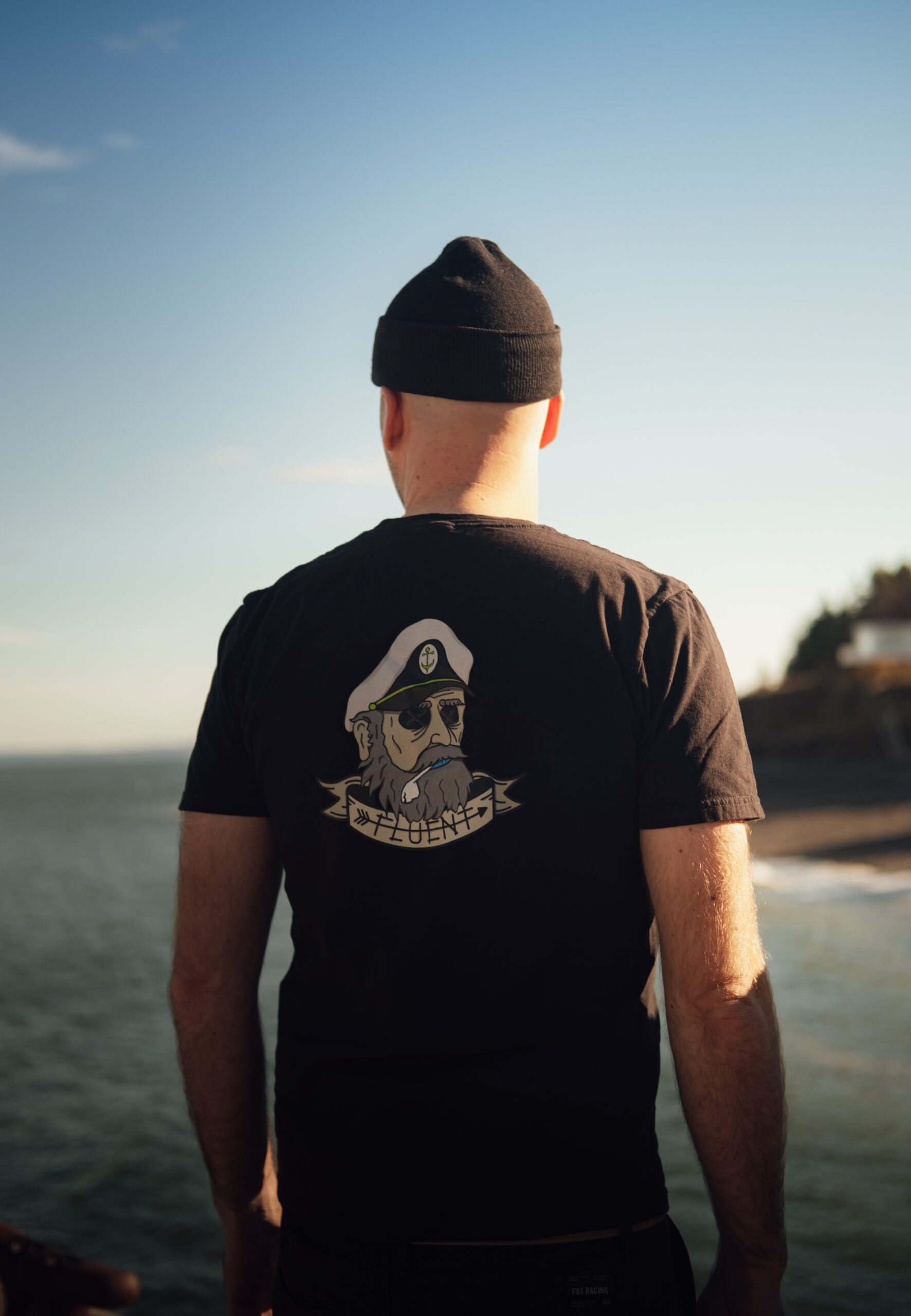
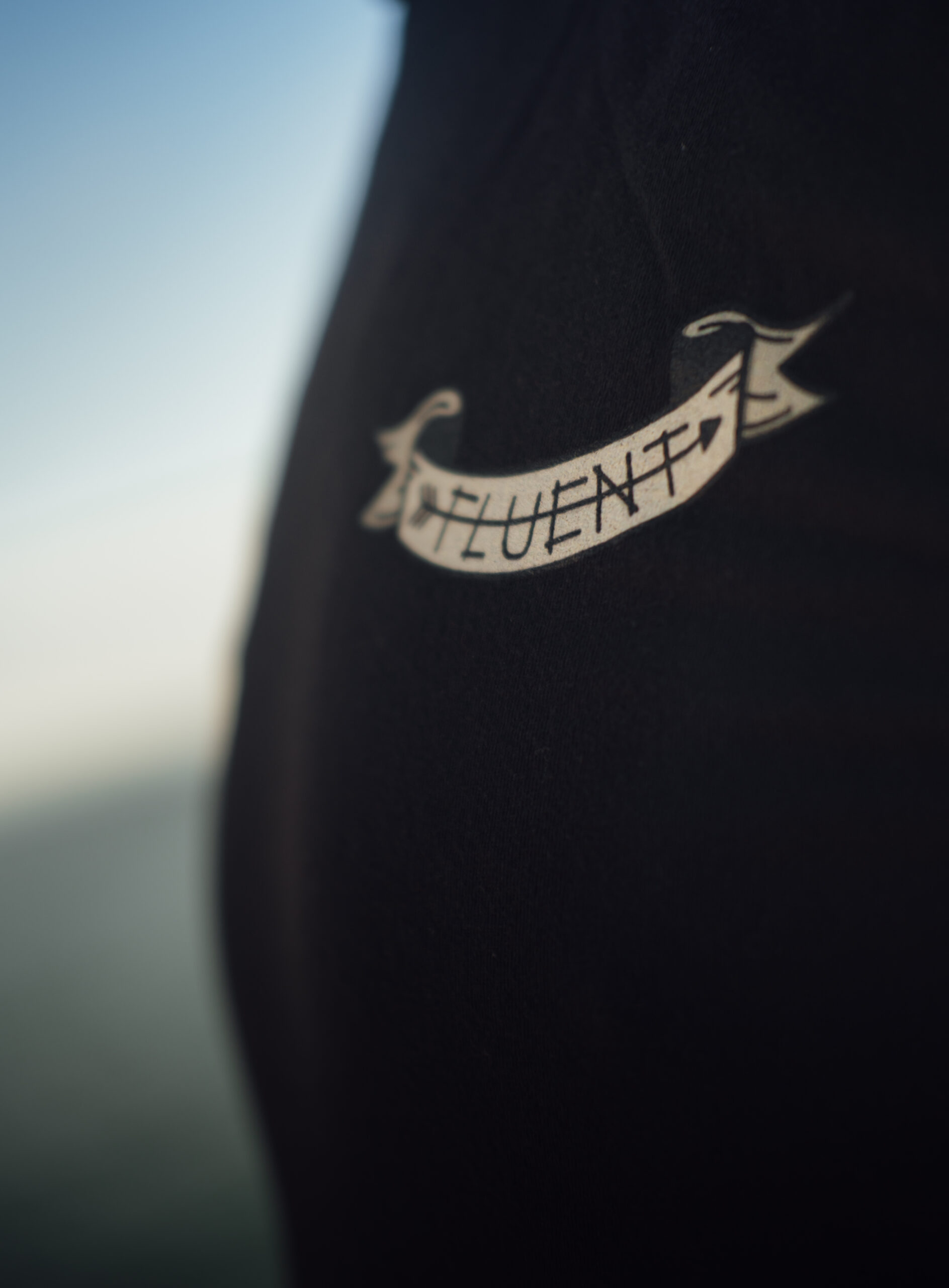
Secondly, I love to paint bikes (maybe) more than building them. When it comes down to it most people will see and appreciate a nice paint job more than the quality of your workmanship. I love the truly creative side of designing a theme, making stickers or shirts that complement the bike. Making it much more than just another bike but making it a whole complete package and experience. Exploring the design world and applying it to a bike is super fun.
“Without question, it’s the best material out there.”
What does living and working in Annapolis Valley, Nova Scotia, mean to you? How does the place you call home influence the way you see bicycles and the way you approach your work?
We have the benefit of access. Every cyclist I know in the area can leave their front door with any bike they choose and have a quality ride. It’s a great area for all disciplines. We have a small town feel with the benefit of quality coffee shops. It’s an idyllic place to ride and build. I wouldn’t say that I’m specifically inspired by my surroundings but I’m able to enjoy a large variety of riding and the tight knit community. It makes it possible to test out new ideas quickly.
Is there a particular bike you’ve built or worked on that holds a special place in your heart? Not necessarily because it’s the best one, but because there’s a story behind it.
Road Scum was a bike that I built for what would have been NAHBS 2020. That was obviously cancelled due to Covid. That was the first time I really dove into developing a full design set around a bike. I worked with Lexxi of Inferno Ink/RYMB and we developed a real bike-punk esthetic that was counter “roadie”. This fit the bike well as it was an “all-road” road bike, built around 38mm road tires. It had tight clearances and big 60mm deep rims. It was basically a punk version of a road bike. Those 60mm rims were silly but a fun place to paint our designs all over. That bike was supposed to be my chance at going to a major bike show and show off, but it never happened. The punk inspiration helped me not take it too seriously and keep the pressure off. That whole fiasco of trade shows really killed my appetite for them. I never got my booth fee back from NAHBS and the MADE show made some wild promises they never fulfilled. It’s a fool’s game. So yes, I see Road Scum as a middle finger to the industry (handbuilt or otherwise) and I stand by that.
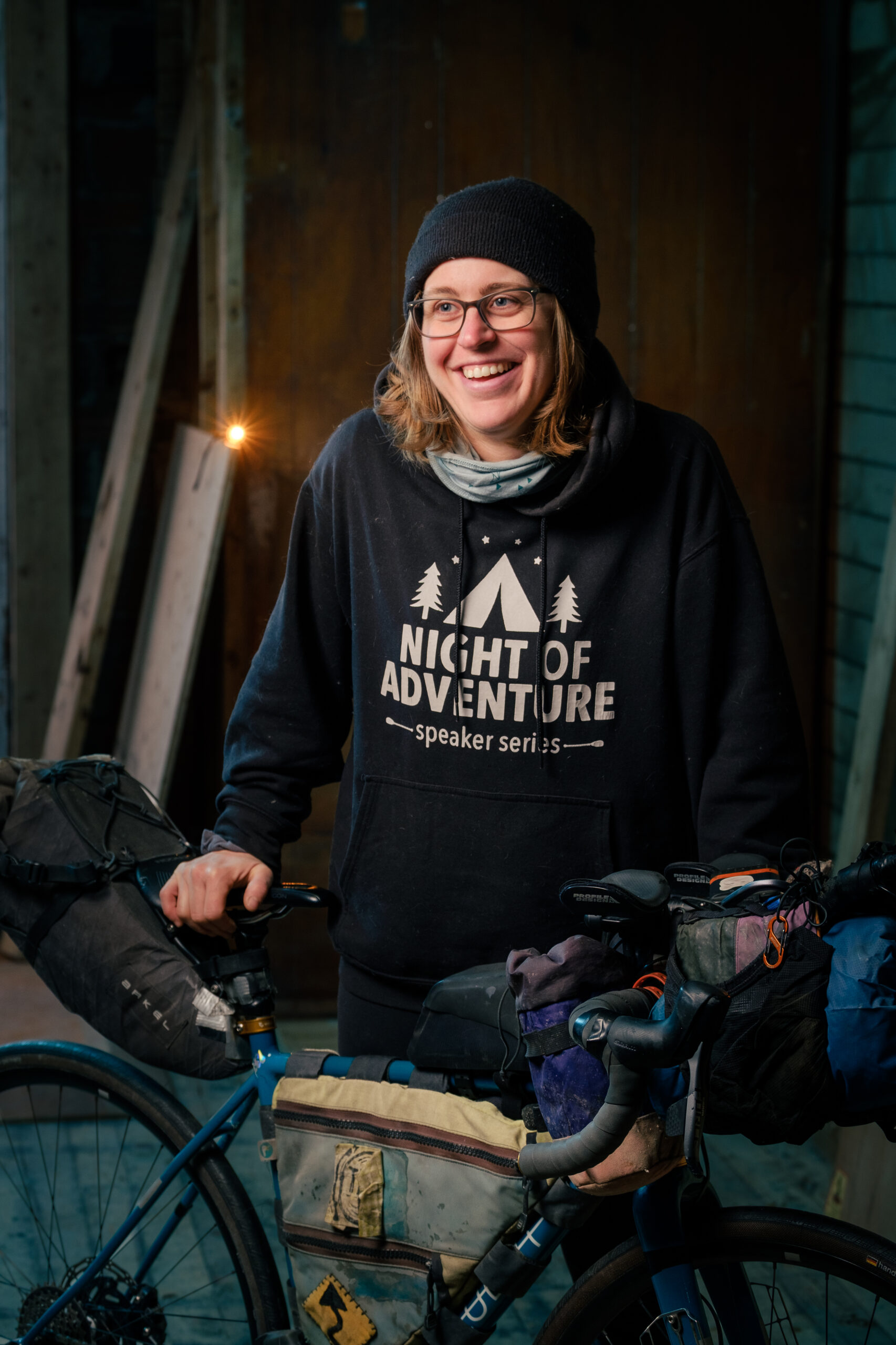
If you don’t mind a second admission under this category, I’d like to speak of a bike I built for a local endurance rider Asheligh Myles. She came to me looking for an endurance road bike, capable of riding under load and going the distance. We built her just that and she then broke multiple records riding the Pan American highway (the longest road in the world – 22,500km) solo and unsupported. She is listed in the Guiness Book of World records and had her records verified by the World Ultra Cycling Association. Simply put, Ashleigh is amazing and I’m extremely proud of what she’s accomplished. https://www.ashleighmyles.ca/
The bicycle world is constantly changing, with new technologies, trends and ideas. What are the things you still believe in, regardless of where the industry is heading?
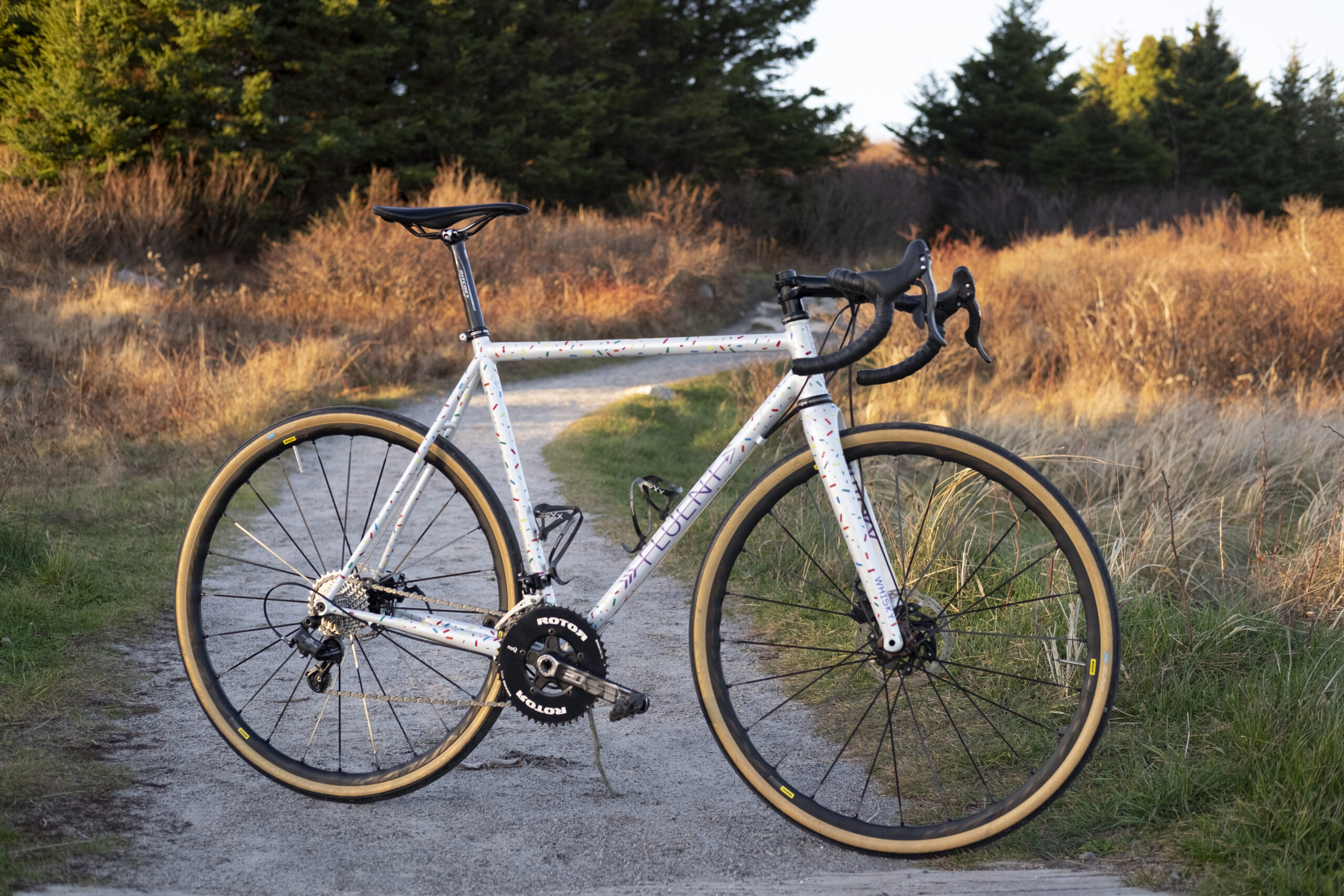
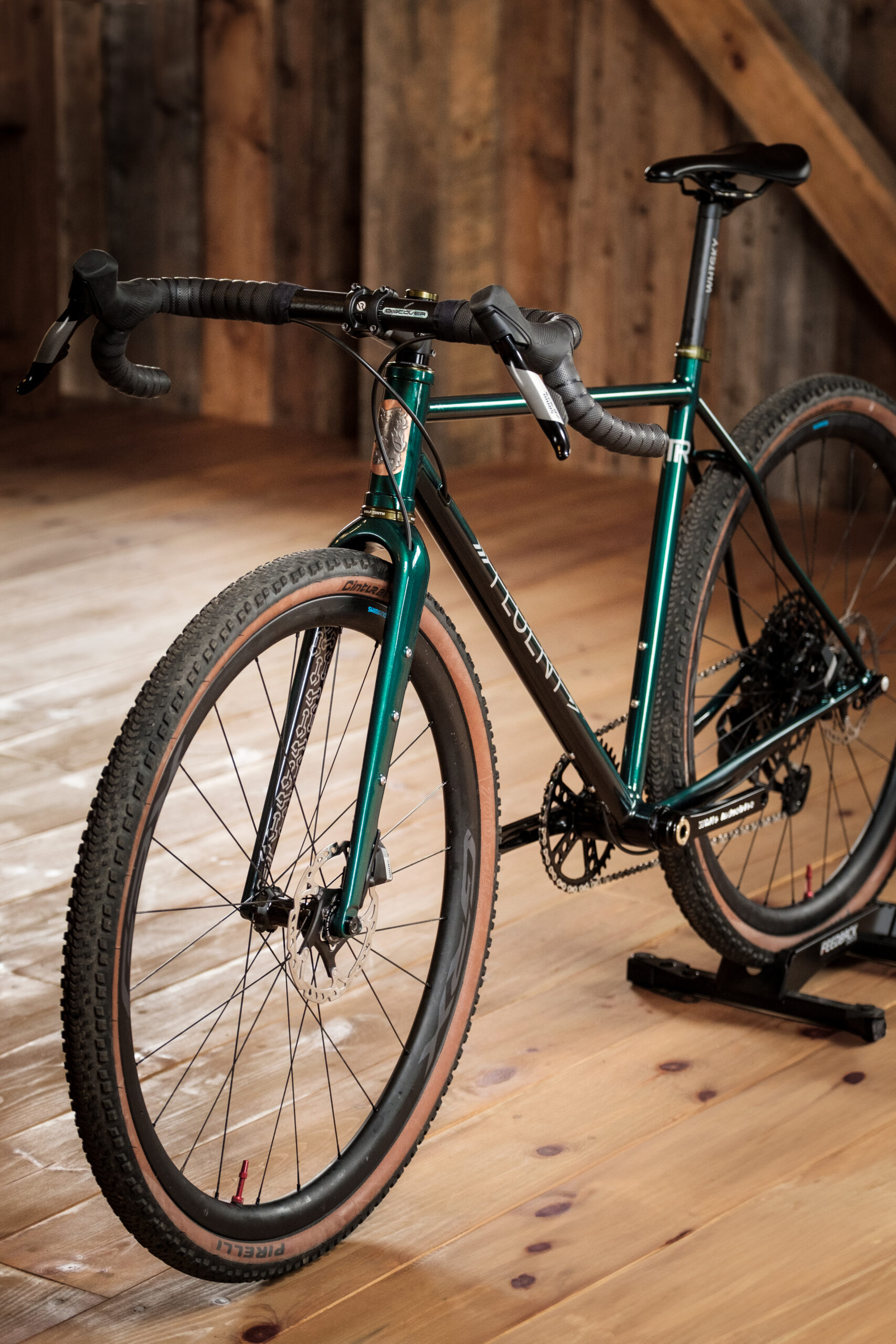
With all the noise and marketing behind carbon everything, I still believe that you should consider yourself lucky to be able to experience a quality steel frame. Without question, it’s the best material out there. I’ve been involved in the industry for so long now that I have seen it re-invent itself over and over. There’s so much nonsense out there and we’re sold on so many things that don’t matter to us as recreational cyclists. If you care about cycling and get the chance to ride a quality steel frame, you can consider yourself very fortunate. The opportunity to do so is actually quite rare as every shop is selling you aluminum or plastic bikes.
Looking back, is there something you would tell the younger version of yourself, the one who was just discovering this passion?
There’s no money in bikes! Passion doesn’t pay the bills.
Finally, when you think about the future, what would you like Fluent to become? And beyond the business itself, what do you hope this journey will bring into your life?
I don’t really want Fluent to become anything in particular, just maintain the course. It gives me a great creative outlet and balance to an otherwise rigid and strict career. I want to continue to take care of the people I support (like Ashleigh Myles) and the frames I’ve built. I always enjoy working with new people and collaborators and I look forward to what lies ahead. Keeping the motivation to build another frame or take on another paint job is key. Ultimately, I just want to “do cool shit”. This is afterall a passion project and it keeps my toe in the door of the cycling world.
Matt, thanks again for taking the time to share your story, your thoughts, and your very own perspective on bicycles and life. It’s been a pleasure getting to know a little more about the person behind Fluent. Keep building, keep painting, and keep doing cool shit!